
Here’s a not-so-fun fact: despite nearly 10% of women being affected by endometriosis, it takes many women more than five years to get an official diagnosis.
Endometriosis is when endometrial-like tissue (the lining of the uterus) grows on other organs and structures outside the uterus. This includes the abdomen, pelvis or even the chest.
Though the disease is common, endometriosis has been called a “missed disease” due to its unclear causes, wide range of symptoms, and lack of research. Many symptoms of endometriosis can fly under the radar for years because they’re also indicators of another health issue or, sometimes, deemed “completely normal.”
Here are some of the signs of endometriosis and how our team at Taylor PT and Wellness can address them
Painful bowel movements
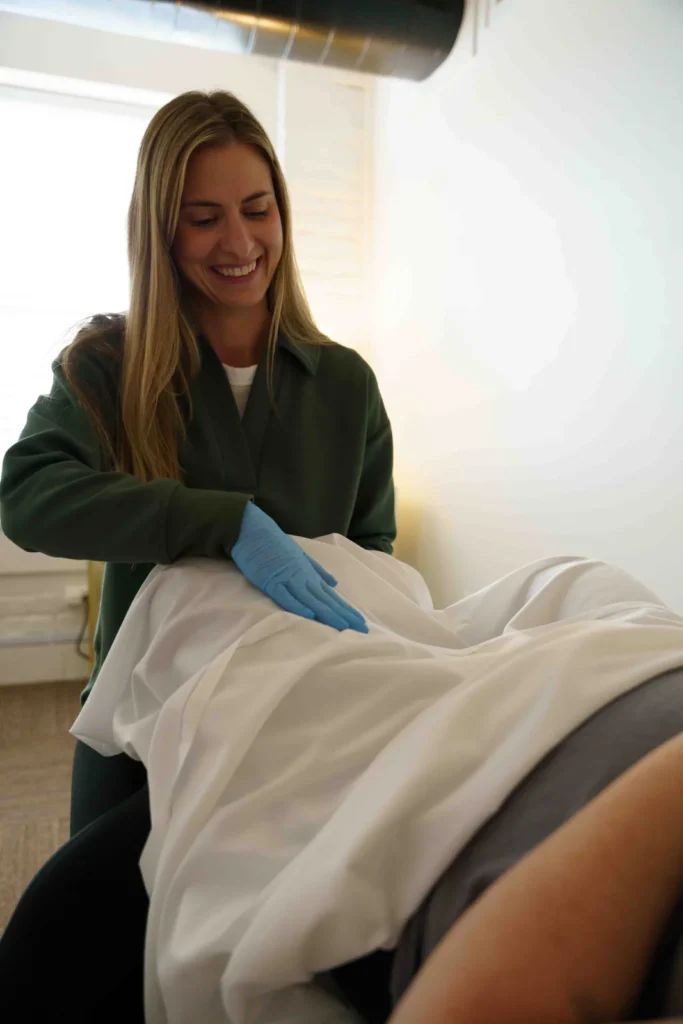
Endometriosis symptoms can sometimes look like signs of irritable bowel syndrome (IBS), which may include sharp or stabbing pain during bowel movements, sudden vaginal or rectal pain, and blood in the stool.
Some symptoms of IBS and endometriosis overlap, but there are ways to differentiate. With endometriosis, bowel complications vary at different stages of the menstrual cycle. They may get worse before your period and lessen afterwards.
In endometriosis, painful bowel movements are a symptom that can occur when that tissue grows on or near the bowel or rectum.
The good news is that pelvic floor therapy can help. Our expert providers can help manage bowel complications with bowel retraining and nutritional guidance.
Heavy bleeding during periods (or spotting between periods)

If you frequently have periods where you find yourself changing your pad or tampon every hour or feeling the need to “double up” (using two menstrual products like a tampon and a pad, or two pads at once), you may have brushed it off as having a heavy flow.
However, this could be a sign of endometriosis.
Ectopic endometrial tissue is similar to the uterine lining that sheds during your period, thus increasing the amount of bleeding that occurs during your cycle.
On average, the total amount of blood loss is about 2.7 ounces over 3 to 7 days; heavy menstrual bleeding exceeds these amounts and time frames.
Abdominal and back pain during and between periods
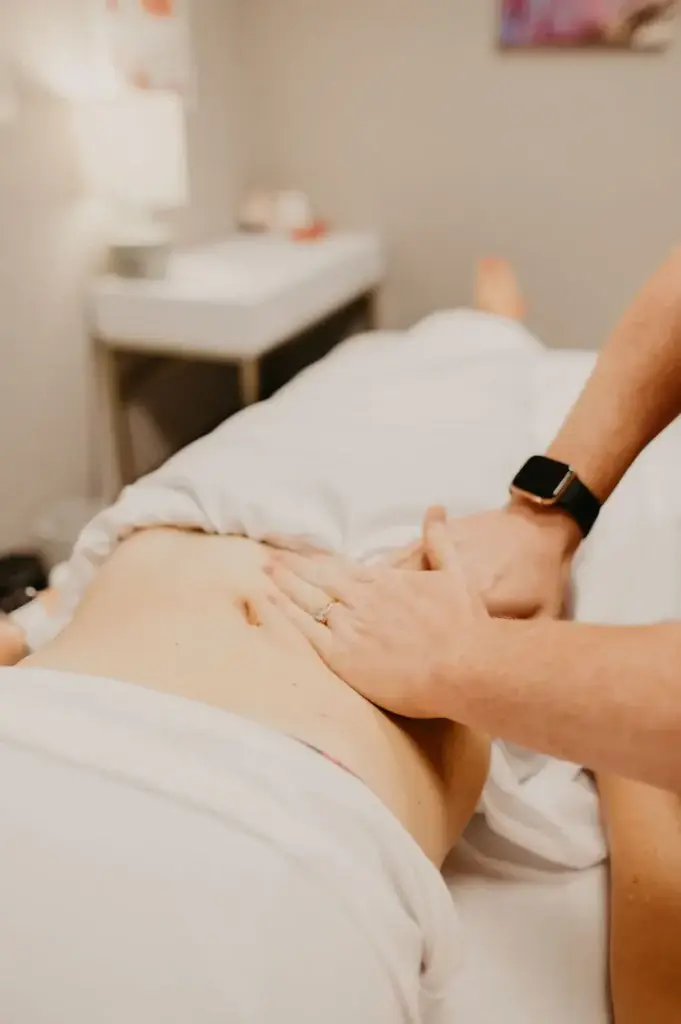
Another lesser-known sign of endometriosis is lower back pain. When tissue grows outside of where it’s supposed to be in the body, this can lead to inflammation as the immune system reacts to the abnormality.
When endometrial tissue grows on the sciatic nerve, which runs from the lower back and down the leg, it can trigger lower back pain. This pain differs from the normal back pain you may experience during your period.
Taylor PT and Wellness offers massages and physical therapy that can help with managing the pain.
Pain during sex
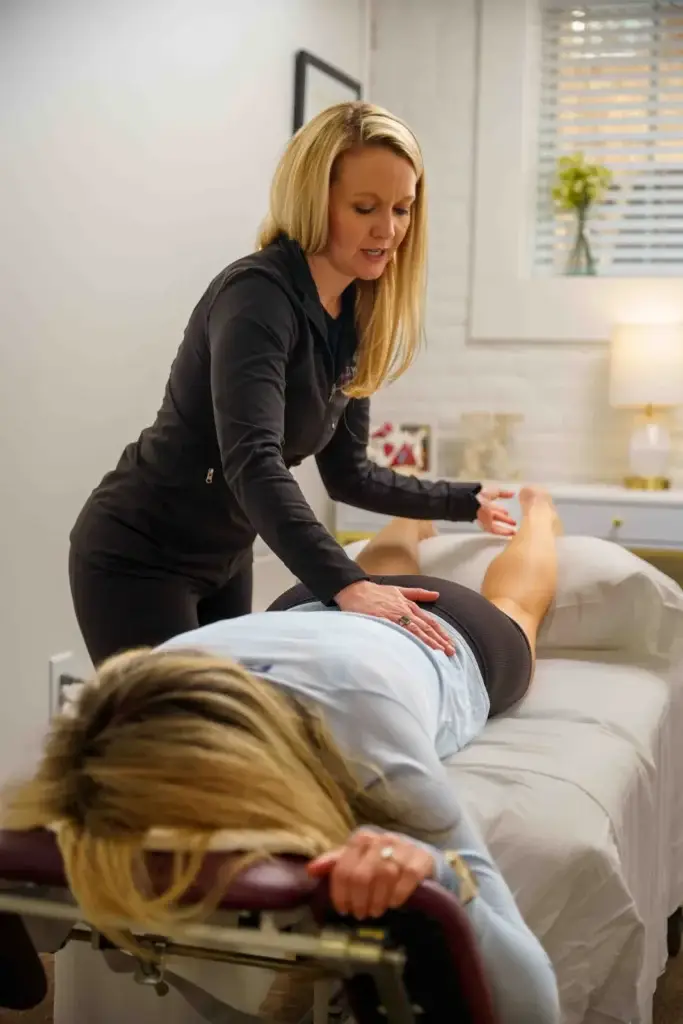
Reproductive organs such as the fallopian tubes and ovaries are where endometriosis most commonly occurs.
This can lead to inflammation, scarring, and adhesions, which can then cause organs in the pelvic area to stick together. When this happens, it leaves the area sensitive to pain, particularly during vaginal penetration and friction.
One way to help alleviate some of this pain is through pelvic floor therapy, which helps relax and lengthen the pelvic floor muscles. Taylor PT and Wellness offers one-on-one sessions with expert providers.
While we can’t treat endometriosis medically, we offer plenty of ways to help manage the symptoms.
Read our holistic guide to understanding and managing endometriosis pain
We’re Here to Help
We offer:
- Free Pelvic Floor Screens
- 1:1 visits with Expert Therapists
- Therapeutic Massage
- Trigger Point Dry Needling