
Have you ever heard the phrase “You are what you eat?” For better or worse, those words ring true when it comes to how our diet impacts our health, particularly our bladder health in this case.
If you’re someone with interstitial cystitis (IC), also known as Bladder Pain Syndrome (BPS), you may find that certain foods and drinks trigger your symptoms. IC is defined by urinary urgency and frequency. It is often a diagnosis of exclusion and misdiagnosed as a UTI.
Bladder health and pelvic health are directly connected. Think of your pelvic floor like a hammock that holds up internal organs like your bladder. Chronic bladder health issues can cause the pelvic floor to over-tighten instead of relaxing, which can lead to issues such as pelvic pain and sexual dysfunction.
In a nutshell, when your bladder is unhappy, so is your pelvic floor, and vice versa.
One of the ways to keep both happy is with a healthy diet. While there actually is no “IC Diet” and no hard-and-fast diet rules for people with IC or BPS, studies have shown that certain diet changes can help with managing symptoms.
If you aren’t sure where to start, don’t worry; we’ll walk you through which foods to avoid or decrease, and how we can help.
Bladder irritants
Before we get into what foods and drinks irritate your bladder, let’s start with what bladder irritation looks like in our bodies. While the term may sound self-explanatory, its symptoms might be things you pass off as normal.
Things like an increase in the need and frequency to pee, leakage, or pain in your lower abdomen are all signs of bladder irritation.
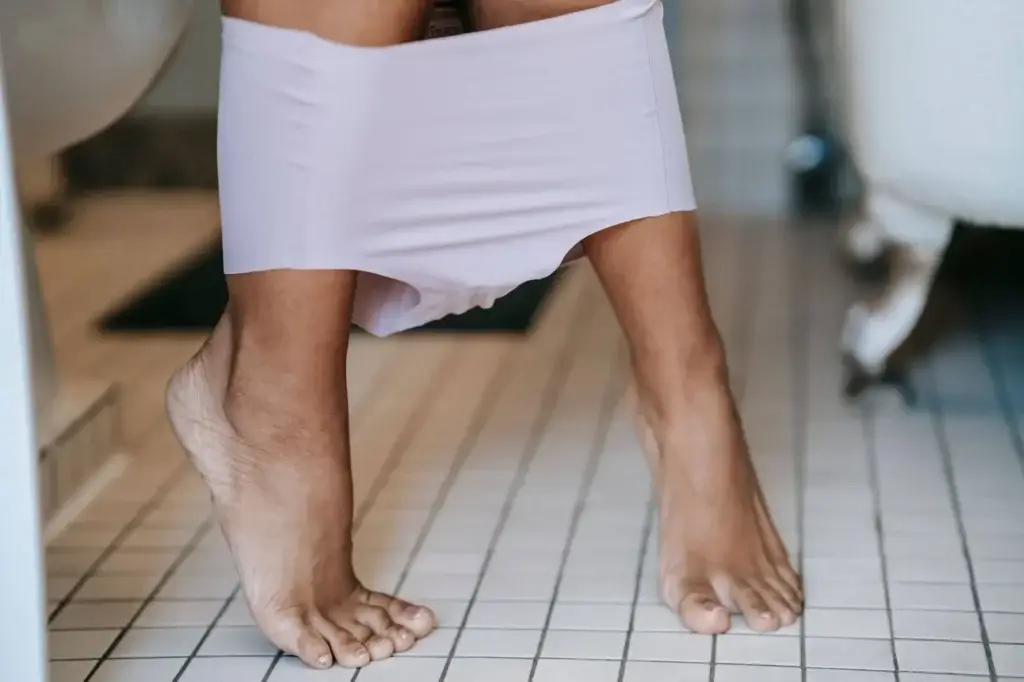
Have you ever had your daily coffee or eaten something spicy and felt the need to run to the restroom even though your bladder wasn’t full? It may have been bladder irritation triggered by what you consumed. When you eat or drink something, your body breaks it down into chemicals; sometimes those chemicals end up in your bladder and cause irritation.
These foods and beverages can sometimes be the cause of bladder issues:
- Citrus fruits and juice
- Tomatoes and tomato products
- Alcoholic beverages
- Carbonated beverages
- Caffeine
While there are several foods and beverages that can irritate your bladder, it doesn’t mean that all of them are to blame when you start experiencing issues.
This is where finding the culprit behind your bladder issues comes in. You can narrow down which foods or beverages may be causing issues by eliminating them and adding them back into your diet temporarily, one item at a time.
As you do this, be sure to consult with a registered dietitian and keep track of how your body responds to eliminating certain things from your diet. By working with a dietitian, you can ensure you’re testing possible triggers safely.
Research has shown that people with IC and BPS find that diet changes help them to manage discomfort and flares caused by certain foods and drinks, with individual elimination showing the most promise.
Bladder-friendly foods
Now that you know which foods irritate your bladder, let’s talk about the ones that are good for it.
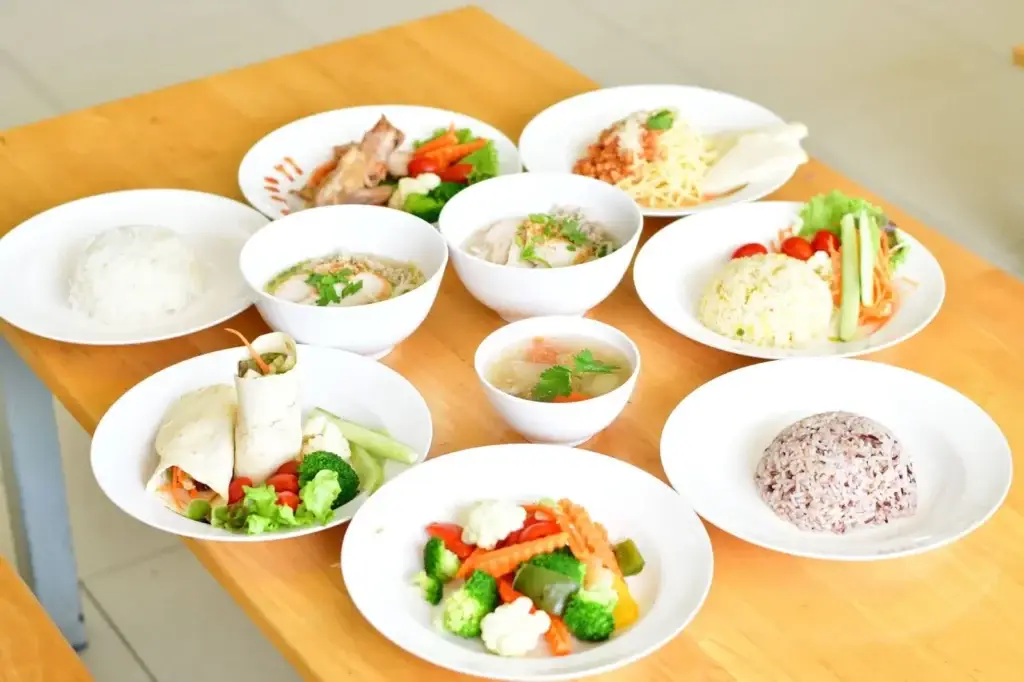
These tend to be mild, non-acidic, and not heavily processed. Here are some foods that make for a bladder-friendly diet.
Fruits & Veggies
- Cucumbers
- Celery
- Bananas
- Apples
Proteins
- Chicken
- Turkey
- Fish
- Tofu
- Eggs
Nuts
- Almonds
- Cashews
- Peanuts
The list goes on, so fear not if you think you won’t still have plenty of food options after cutting out the ones that irritate your bladder.
As in many cases, it’s also important to make sure that you’re remaining properly hydrated, as it helps to dilute your urine and flush harmful bacteria from your body and prevent the formation of kidney stones. Another benefit of staying hydrated is increased urine output; a higher urine output helps clear away small particles that can also develop into kidney stones.
Dehydration is widely considered the number one preventable risk factor for kidney stone formation.
How we can help
As we mentioned at the start, diet changes are just one way to help manage your bladder irritation. Pelvic floor therapy is one of the best, evidence-based treatments for IC.
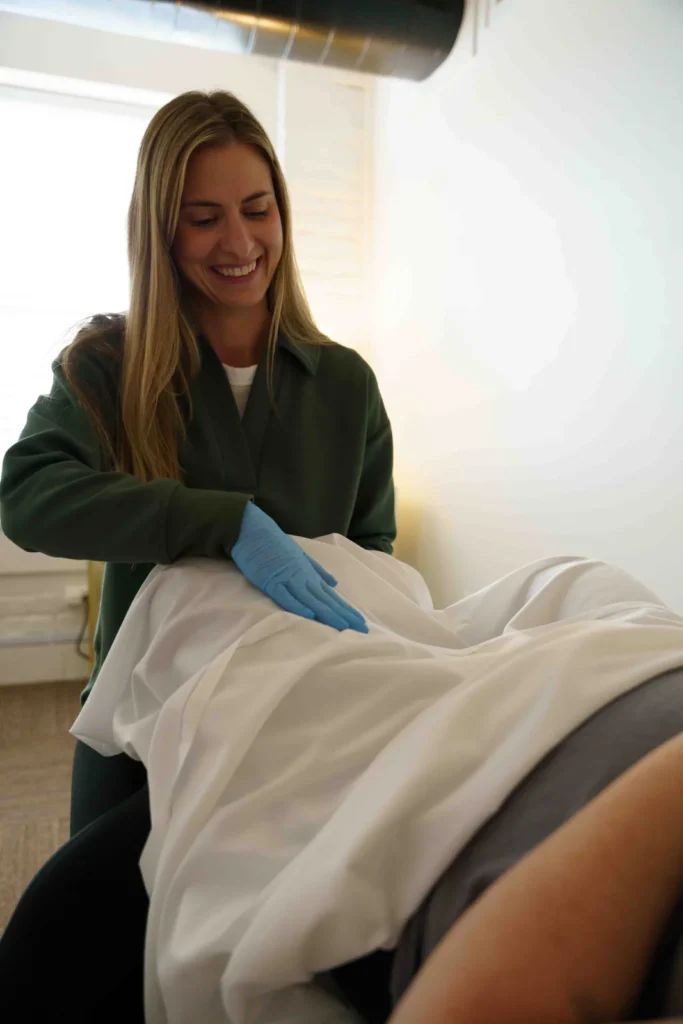
At Taylor PT, we help relax pelvic floor tissues, retrain your bladder, and teach you to manage pain and flares at home through stress management, exercise (as we’ve discussed), and diet counseling.
We’re Here to Help
We offer:
- Free Pelvic Floor Screens
- 1:1 visits with Expert Therapists
- Therapeutic Massage
- Trigger Point Dry Needling