
If you’ve been diagnosed with Irritable Bowel Syndrome (IBS), you’ve probably been told to adjust your diet, manage stress, or try medications to help control your symptoms. While these approaches can be helpful, many people are surprised to learn that the pelvic floor muscles also play an important role in bowel health.
For some individuals, IBS doesn’t just affect the digestive tract—it can also contribute to pelvic floor muscle dysfunction, making symptoms like constipation, urgency, incomplete bowel movements, or pelvic pain even more frustrating.
The good news? Pelvic floor physical therapy can help address the muscular component of these symptoms and improve your overall quality of life.
What Is Irritable Bowel Syndrome (IBS)?
Irritable Bowel Syndrome (IBS) is a common disorder that affects how the digestive tract functions. Unlike inflammatory bowel diseases such as Crohn’s disease or ulcerative colitis, IBS does not cause permanent damage to the intestines. Instead, it is considered a disorder of the gut-brain interaction, meaning communication between the digestive system and nervous system becomes altered.
Common symptoms include:
- Abdominal pain or cramping
- Bloating
- Excess gas
- Constipation (IBS-C)
- Diarrhea (IBS-D)
- Alternating constipation and diarrhea (IBS-M)
- A feeling of incomplete bowel emptying
- Urgency to have a bowel movement
Symptoms often fluctuate and may worsen during periods of stress, hormonal changes, illness, or dietary triggers.
What Does the Pelvic Floor Have to Do with IBS?
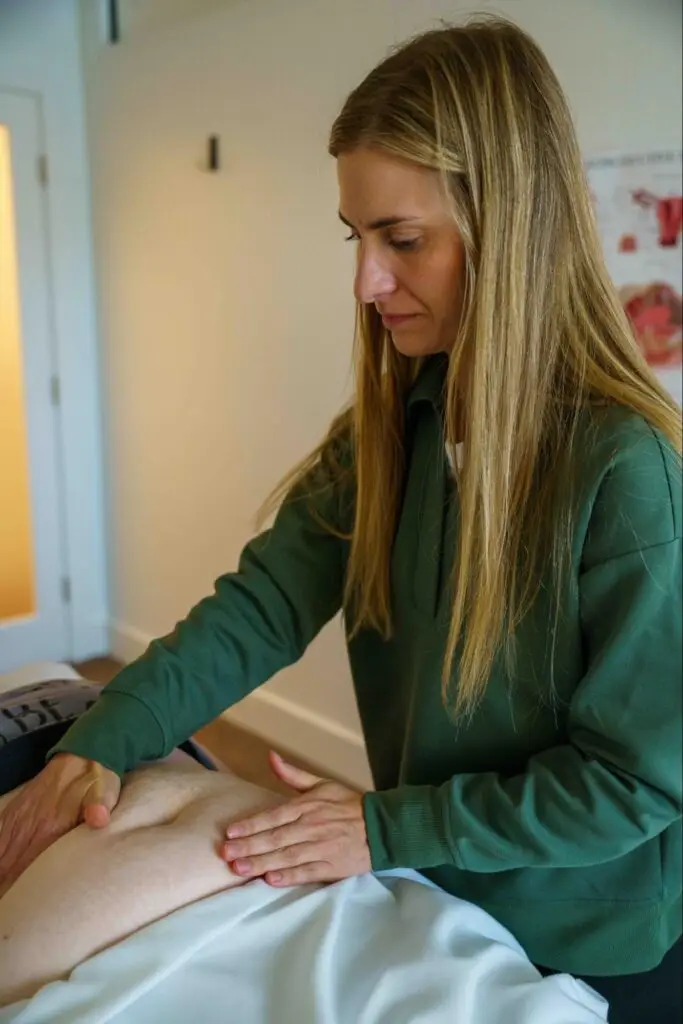
The pelvic floor is a group of muscles that supports the bladder, bowel, and reproductive organs. These muscles also play an essential role in bowel movements.
To have a normal bowel movement, the pelvic floor muscles must:
- Relax at the appropriate time
- Coordinate with your diaphragm and abdominal muscles
- Allow stool to pass efficiently
- Contract again after emptying
When these muscles become too tight, weak, painful, or poorly coordinated, bowel function can become significantly more difficult—even if the digestive tract itself is functioning normally.
This is why some people continue to struggle with bowel symptoms despite making dietary changes or taking medications.
How IBS Can Affect the Pelvic Floor
Living with chronic IBS symptoms often changes how the pelvic floor muscles behave.
Chronic Constipation
Repeated straining can cause the pelvic floor muscles to become overactive or uncoordinated.
Instead of relaxing during a bowel movement, the muscles may actually tighten, making stool even more difficult to pass. This condition is sometimes referred to as pelvic floor dyssynergia or dyssynergic defecation.
Over time, this pattern can contribute to:
- Incomplete emptying
- Excessive straining
- Hemorrhoids
- Pelvic organ prolapse
- Pelvic pain
Frequent Diarrhea and Urgency
Individuals with IBS-D often experience repeated urgency and frequent bowel movements.
This constant demand on the pelvic floor muscles can contribute to muscle fatigue, guarding, and increased muscle tension, which may eventually lead to pelvic discomfort or difficulty fully relaxing the muscles.
Chronic Abdominal Pain
Persistent abdominal pain causes many people to unconsciously tighten their abdominal and pelvic floor muscles as a protective response.
While understandable, this guarding pattern can increase muscle tension, reduce mobility, and contribute to pelvic pain or bowel dysfunction over time.
Signs Your Pelvic Floor May Be Involved
Your IBS symptoms may have a pelvic floor component if you experience:
- Difficulty starting a bowel movement
- Excessive straining
- Feeling like you can’t completely empty your bowels
- Needing to change positions to have a bowel movement
- Pelvic pain
- Pain with sitting
- Tailbone pain
- Pain during intercourse
- Urinary urgency or leakage in addition to bowel symptoms
These symptoms often occur together because the pelvic floor supports both bladder and bowel function.
How Pelvic Floor Physical Therapy Can Help
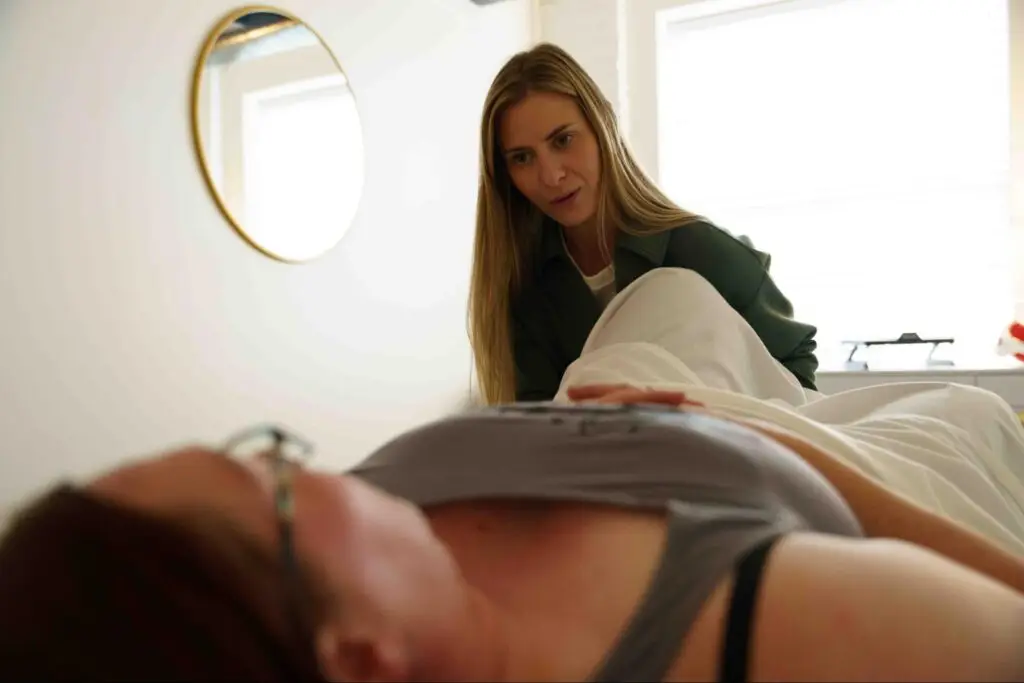
Pelvic floor physical therapy does not cure IBS—but it can effectively treat the muscular dysfunction that often develops alongside it.
Your pelvic floor therapist will perform a comprehensive evaluation to determine how your muscles, breathing patterns, posture, and movement strategies may be contributing to your symptoms.
Treatment may include:
- Pelvic floor muscle relaxation training
- Biofeedback to improve muscle coordination
- Breathing and diaphragmatic coordination
- Manual therapy to reduce muscle tension
- Bowel retraining techniques
- Proper toileting posture and mechanics
- Education on healthy bowel habits
- Core strengthening and movement retraining
- Strategies to reduce straining
Many patients notice that when their pelvic floor functions more efficiently, bowel movements become easier and symptoms such as pain and incomplete emptying improve.
A Team Approach Works Best
IBS is a complex condition that often benefits from care provided by multiple healthcare professionals.
Depending on your symptoms, your treatment team may include:
- A gastroenterologist
- Your primary care provider
- A registered dietitian
- A mental health professional, particularly if stress or anxiety contribute to symptom flare-ups
- A pelvic floor occupational or physical therapist
Addressing both the digestive system and the pelvic floor often leads to better long-term symptom management than focusing on either one alone.
When Should You See a Pelvic Floor Therapist?
Consider scheduling an evaluation if you have IBS and also experience:
- Chronic constipation
- Frequent straining
- Pelvic pain
- Difficulty emptying your bowels
- Pain during bowel movements
- Urinary leakage
- Pain with intimacy
- Difficulty returning to exercise because of pelvic symptoms
The earlier muscle dysfunction is identified, the easier it often is to improve.
You Don’t Have to Live Around Your Symptoms
Many people with IBS assume their bowel problems are “just part of IBS.”
While IBS itself may require ongoing management, the pelvic floor dysfunction that often accompanies it is highly treatable.
Learning how to relax, coordinate, and strengthen these muscles can make bowel movements easier, reduce pelvic pain, and improve your confidence in everyday life.
At Taylor Physical Therapy & Wellness, we help women experiencing bowel dysfunction, constipation, pelvic pain, and pelvic floor disorders associated with IBS and other gastrointestinal conditions.
Our one-on-one, evidence-based approach looks beyond the digestive tract to evaluate the muscles, breathing patterns, posture, and movement strategies that influence bowel function.
If IBS is interfering with your daily life, you don’t have to manage it alone.
We’re Here to Help
We offer:
- Free Pelvic Floor Screens
- 1:1 visits with Expert Therapists
- Therapeutic Massage
- Trigger Point Dry Needling
Frequently Asked Questions
Can pelvic floor dysfunction cause constipation?
Yes. If the pelvic floor muscles do not relax appropriately during a bowel movement, stool can become difficult to pass despite adequate fiber and hydration. Pelvic floor physical therapy is considered a first-line treatment for pelvic floor dyssynergia.
Can pelvic floor therapy cure IBS?
No. IBS is a disorder of gut-brain interaction and requires comprehensive medical management. However, pelvic floor therapy can significantly improve the muscular dysfunction that often contributes to constipation, incomplete emptying, pelvic pain, and bowel movement difficulty.
Does everyone with IBS have pelvic floor dysfunction?
No, but research shows pelvic floor dysfunction is common, particularly in people with IBS-C (constipation-predominant IBS) or chronic pelvic pain. A pelvic floor evaluation can determine whether muscle dysfunction is contributing to your symptoms.
Do I need a referral?
Many patients in North Carolina can begin physical therapy through Direct Access without a physician referral. If needed, we’ll coordinate care with your primary care provider or gastroenterologist to ensure a comprehensive treatment plan.