
Urinary leakage, also known as bladder incontinence and urinary incontinence, is common in the United States; it affects about 80 million women, according to the National Association for Continence.
That averages out to about 1 in 2 women, so if you’ve ever felt alone when you laughed too hard and leaked a little or made a dash for the bathroom but didn’t quite make it, you’re not.
Urinary leakage is the accidental or involuntary loss of bladder control. Despite how common leakage is, many women may feel shame around having issues with controlling their bladder. This can impact mental health and also deter women from seeking treatment for up to seven years, according to some estimates.
Incontinence is more common as women grow older; however, it can affect women of all ages, with roughly one-third of women affected being in their early 20s. No woman is ever too young or too old to want to address concerns with their bladder health.
Taylor Physical Therapy & Wellness offers treatment to help all women better understand and manage leakage in a safe, welcoming environment.
Here’s what you need to know and how we can help.
Types of incontinence (and their causes)

Urinary incontinence looks different for everyone, so if you’ve noticed you leak in specific situations, it may not be a coincidence, and you should mention it to your doctor.
Understanding the type of incontinence you’re experiencing matters, because different issues require different solutions. Several types of incontinence exist, but these four are the most common.
Stress incontinence
Despite the name, this type of incontinence has less to do with being overwhelmed at work and more to do with pressure being put on your bladder.
When you cough, sneeze, laugh, or lift something heavy, it puts strain on your bladder, which can cause anywhere from a few drops to larger amounts of leakage. This happens when weak pelvic floor muscles or a damaged urethral sphincter (the muscle that keeps the urethra closed) can’t keep the urethra closed.
These issues could be the result of many factors such as vaginal birth, a recent surgery in the pelvic area, connective tissue disorders like Ehlers-Danlos Syndrome (EDS), or even neurological conditions like Parkinson’s disease or multiple sclerosis.
Urge incontinence
If you’ve ever been sitting around, had a sudden urge to pee and weren’t able to hold it in, or have to frequently excuse yourself to pee, it may have been urge incontinence. In these cases, the bladder may squeeze or spasm, causing leakage regardless of how much urine is in the bladder.
Urge incontinence can be caused by drinking too much alcohol or caffeine and, ironically enough, not enough fluids. When you don’t drink enough fluids, your urine becomes more concentrated and irritates your bladder.
Mixed incontinence
Maybe there are times when you experience both a sudden urge to urinate and can’t “hold it,” like with urge incontinence, or you involuntarily leak when laughing or exercising, like with stress incontinence. This is called mixed incontinence, and it’s a common experience for women.
Some causes overlap across types, such as medications. Certain medications disrupt how your body stores and passes urine or increase urine production. These medicines include:
- Some antidepressants
- Hormone Replacement Therapy
- Sedatives
- Diuretics (water pills)
- Angiotensin-converting enzyme (ACE) inhibitors, or blood pressure medication.
Other common causes are constipation and hormonal changes. When you are constipated, your colon enlarges and puts more pressure on your bladder, leading to leaks. Low estrogen can lead to Genitourinary Syndrome of Menopause.
How pelvic floor therapy can help
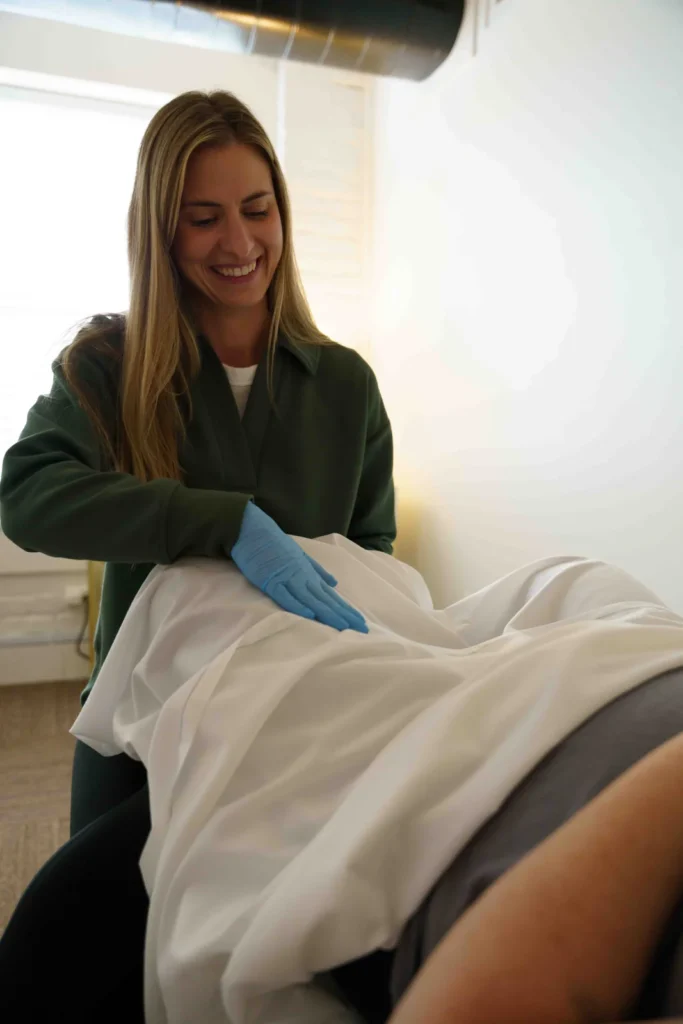
Urinary incontinence with such a wide variety of causes may seem overwhelming. The good news is we’re here to help you find answers and a personalized treatment plan that goes far beyond Kegels and pads.
Our expert providers treat women at all stages of their health. Pelvic floor therapy directly targets the muscles that control the bladder and contribute to incontinence; treatment includes bladder retraining and dietary recommendations to relieve symptoms and support bladder health.
For example, pelvic floor therapy can help train your muscles to contract in moments of increased pressure in the bladder and prevent leakage, such as in situations with stress and urgency incontinence.
However, the pelvic floor also needs to be able to relax. A relaxed pelvic floor allows the bladder to fully contract and empty while preventing things like incomplete emptying and urinary frequency.
Don’t be afraid to ask for help

No woman should spend years dealing with incontinence because she feels ashamed to discuss it with her doctor. We aim to make our patients feel comfortable and create personalized care plans that provide long-lasting relief.
If you have concerns about your bladder health, no matter what stage of life you’re in, schedule an appointment with us so we can help.
We’re Here to Help
We offer:
- Free Pelvic Floor Screens
- 1:1 visits with Expert Therapists
- Therapeutic Massage
- Trigger Point Dry Needling