
Living with Endometriosis
If you’ve been living with persistent pelvic pain, heavy periods, bloating, or discomfort during intimacy and haven’t found answers—you’re not alone. Endometriosis affects millions of women, yet it’s often misunderstood, misdiagnosed, or brushed off entirely. At Taylor Physical Therapy & Wellness, we believe in addressing the root cause of pain and treating the whole person—not just the symptoms. If you’re navigating endometriosis, here’s what you need to know.
What Is Endometriosis?
Endometriosis is a condition where tissue similar to the lining of the uterus grows outside of the uterus. This tissue responds to hormonal changes just like the uterine lining, which means it can bleed, become inflamed, and cause scarring—often in places it shouldn’t be, like the ovaries, fallopian tubes, or even the bladder or bowels.
It’s not “just bad cramps.” The pain and dysfunction caused by endometriosis can affect every part of your life—physically, emotionally, and mentally.

What Does Endometriosis Feel Like?
Endometriosis symptoms can vary widely, but many women experience:
- Deep pelvic or abdominal pain
- Painful periods that disrupt daily life
- Pain with sex or internal exams
- GI symptoms like bloating, constipation, or nausea (often called “endo belly”)
- Fatigue and emotional overwhelm
- Low back or hip pain
Pain can be cyclical or constant. Some women have symptoms with no visible lesions; others have severe disease and minimal pain. Every case is different—which is why individualized care matters.
Who Is at Risk for Endometriosis?
Endometriosis can affect anyone with a uterus, but it most commonly begins in the teens or 20s and may worsen over time. You may be at increased risk if you have:
- A family history of endometriosis
- Early menstruation (before age 11)
- Heavy, painful, or irregular periods
- Other inflammatory or autoimmune conditions
Unfortunately, many women go undiagnosed for years. That’s why having a care team who listens—and looks deeper—can make all the difference.
Is Endometriosis Curable? Will It Go Away?
Endometriosis is a chronic condition, which means there is no definitive cure. However, that doesn’t mean you’re stuck suffering.
Many women find long-term relief through a combination of medical, surgical, and conservative therapies that reduce pain, calm inflammation, and improve quality of life. Our goal at Taylor PT is to support your healing with holistic, evidence-informed care.
How Is Endometriosis Diagnosed?
Unfortunately, there’s no simple test for endometriosis. A definitive diagnosis often requires a laparoscopic surgery. But many providers—like our pelvic floor therapists—can strongly suspect endo based on your symptoms and physical exam.
A typical path might include:
- Detailed symptom history
- Pelvic exam and internal muscle assessment
- Imaging (ultrasound or MRI, sometimes inconclusive)
- Referral to a specialist if surgery is being considered
The earlier your symptoms are taken seriously, the sooner you can find relief.
Treatment Options: From Medicine to Movement
Many women are offered hormonal treatments (like birth control or IUDs) or surgical excision as first-line options. These may be helpful for some, but they don’t address all aspects of the condition—especially muscular and nervous system pain patterns.
That’s where we come in.
How Pelvic Floor Therapy Can Help with Endometriosis
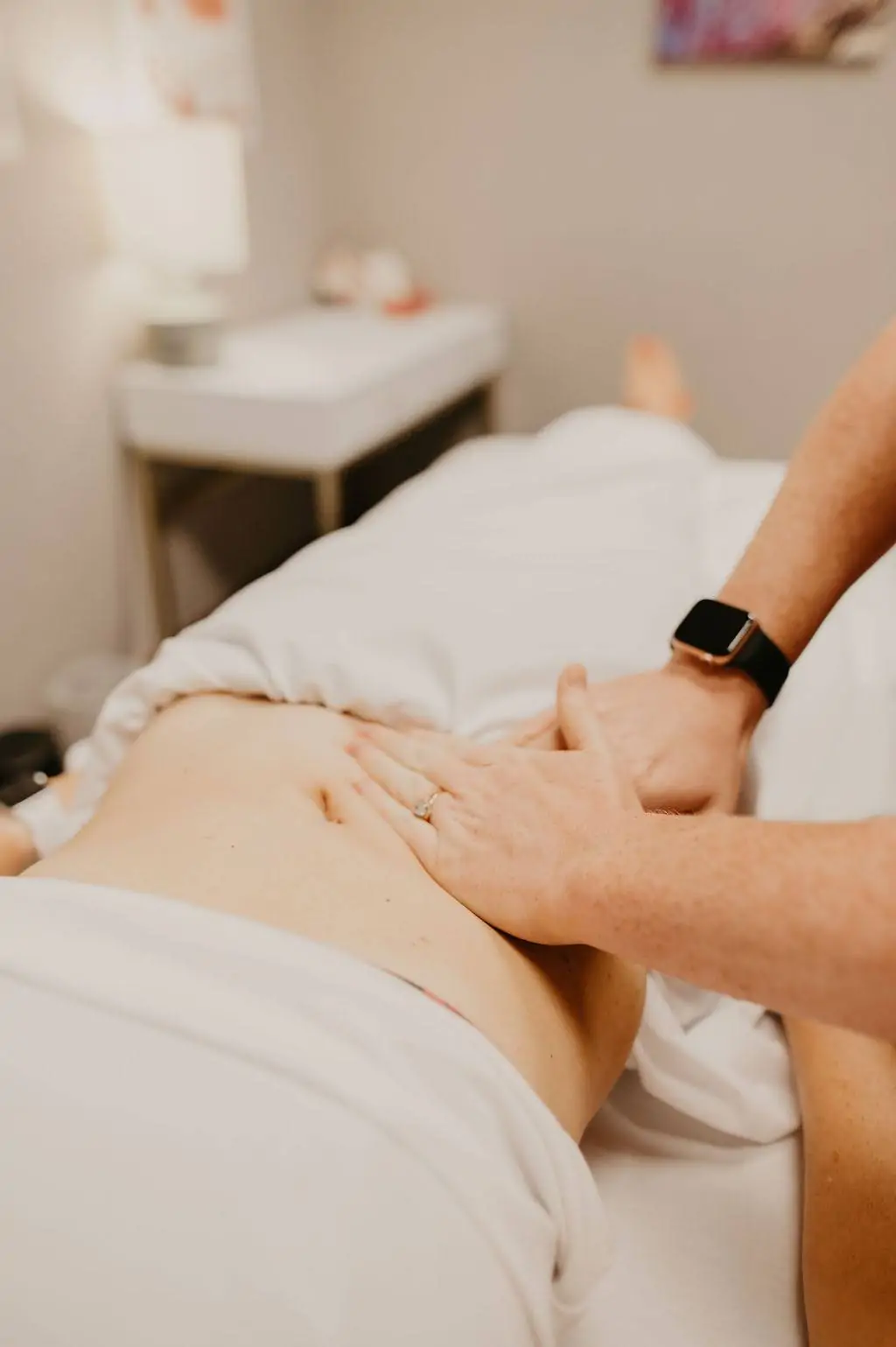
Pelvic floor therapy is a powerful, conservative approach for managing the muscle pain, tension, and nervous system upregulation that often come with endo.
At Taylor PT, we start with a whole-body assessment to understand how endometriosis is affecting you. Then we develop a personalized plan that might include:
- Myofascial release to ease tension in the pelvic floor, hips, and abdomen
- Nervous system regulation techniques to calm chronic pain signaling
- Scar tissue mobilization for post-surgical patients
- Bowel and bladder retraining to support healthy digestion and elimination
In many cases, we also use:
- Dry needling to release deep trigger points and reduce pain
- Massage therapy to support lymph flow, reduce tension, and aid relaxation
These tools work together to restore movement, reduce pain, and help you feel more connected to your body.
When to See a Pelvic Floor Therapist for Endometriosis
You don’t need a diagnosis to start care. If you’re experiencing:
- Chronic pelvic, abdominal, or low back pain
- Pain with sex, tampon use, or pelvic exams
- Trouble with bowel movements or urination
- Fatigue or emotional burnout from chronic pain
…a pelvic floor therapist may be an essential part of your care team.
You Deserve Relief: Our Whole-Body, Women-Centered Approach
Endometriosis is more than just a gynecological condition—it’s a full-body, life-impacting experience. Our clinic is designed to be a safe, calming space where you can get answers, feel heard, and receive care that supports your whole self.
We offer
- Free Pelvic Floor Screens
- 1:1 visits
- Therapeutic Massage
- Trigger Point Dry Needling