
A Gentle Reminder This October
October is Breast Cancer Awareness Month—a time to honor the strength, courage, and resilience of women everywhere. It’s also an opportunity to talk about something many survivors aren’t told enough about: early lymphedema awareness.
Lymphedema can develop after breast cancer treatment, often months—or even years—after surgery or radiation. The earlier it’s recognized, the easier it is to manage and prevent long-term discomfort. At Taylor Physical Therapy & Wellness, we believe knowledge is empowerment, and early awareness is a powerful form of self-care.
What Is Lymphedema?
Your lymphatic system is a vital part of your immune and circulatory systems. It carries lymph fluid, rich in proteins, waste, and immune cells, throughout your body and helps remove toxins.
When lymph nodes are removed or damaged during breast cancer treatment, lymph fluid can build up in the surrounding tissues, most commonly in the arm, breast, or chest wall on the affected side. This swelling, known as lymphedema, can cause discomfort, tightness, and changes in how your arm or clothing feels.
While lymphedema can’t always be completely prevented, early detection and specialized physical therapy can dramatically reduce its impact and improve long-term outcomes.

Early Signs of Lymphedema You Shouldn’t Ignore
Many women miss the earliest signs of lymphedema because they seem subtle or unrelated to treatment. Here’s what to look for:
- A feeling of heaviness, tightness, or fullness in your arm, hand, chest, or underarm.
- Visible swelling or puffiness, especially at the wrist, elbow, or near surgical scars.
- Indentations from clothing or jewelry that appear more easily than before.
- Skin changes – a sensation of warmth, tingling, or mild redness.
- Reduced flexibility or range of motion in your arm or shoulder.
Even if symptoms come and go, it’s important not to ignore them. Lymphedema tends to progress gradually, and early, gentle intervention can prevent it from becoming chronic.
How Physical Therapy Helps Prevent and Manage Lymphedema
At Taylor Physical Therapy & Wellness, our approach is gentle, holistic, and tailored to you. Our providers have specialized training in the lymphatic system and understand the unique recovery journey that follows breast cancer treatment.
We offer Complete Decongestive Therapy:
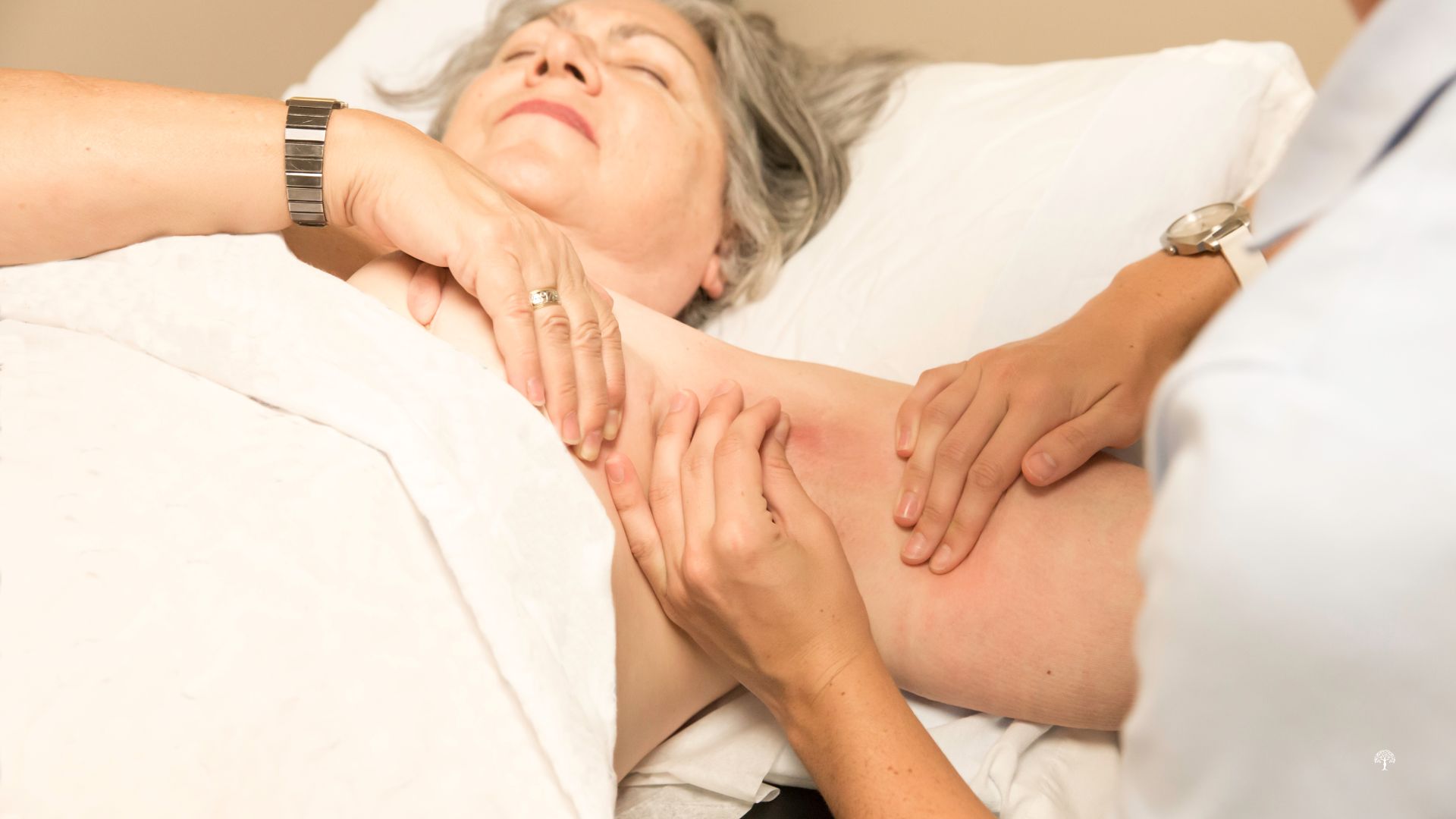
- Manual Lymphatic Drainage (MLD): A specialized, light-touch manual technique that encourages lymph fluid reabsorption and movement to reduce swelling.
- Scar Tissue and Fascial Mobilization: Helps restore movement, comfort, and lymph flow after surgery or radiation.
- Guided Exercise & Stretching: Gentle, progressive movements to improve circulation, posture, and shoulder mobility.
- Education & Lifestyle Coaching: Tips for protecting your arm, managing daily activities, and supporting your body’s natural healing process.
- Compression Therapy & Vasopneumatic Devices: Limb compression is a part of Complete Decongestive Therapy and we work with local companies to fit women with the appropriate garment to best manage swelling.
Each session is performed in our calming, spa-like environment—where healing isn’t rushed and your comfort always comes first.
Everyday Tips for Supporting Your Lymphatic Health
Simple, mindful habits can make a big difference in maintaining lymphatic wellness:
- Stay hydrated and move your body regularly—walking and deep breathing both support lymph flow.
- Avoid tight clothing or jewelry on the affected arm.
- Keep your skin clean and moisturized to reduce infection risk.
- Practice gentle stretches or yoga to support mobility and relaxation.
- Schedule regular check-ins with a lymphedema-trained physical therapist—even if you don’t yet have symptoms.
When to Seek Help
If you notice swelling, tightness, or a change in how your arm or chest feels, reach out to a physical therapist experienced in lymphedema care. Early treatment can minimize symptoms and help you maintain strength, comfort, and confidence.
At Taylor Physical Therapy & Wellness, our team provides compassionate, individualized care for women at every stage of recovery. Whether you’re recently post-surgery, years into survivorship, or simply want to stay proactive—we’re here to help you heal fully and holistically.
Your Next Step Toward Healing
We offer
- Free Pelvic Floor & Lymphedema Screens
- 1:1 visits with Expert Therapists
- Therapeutic Massage
- Trigger Point Dry Needling