
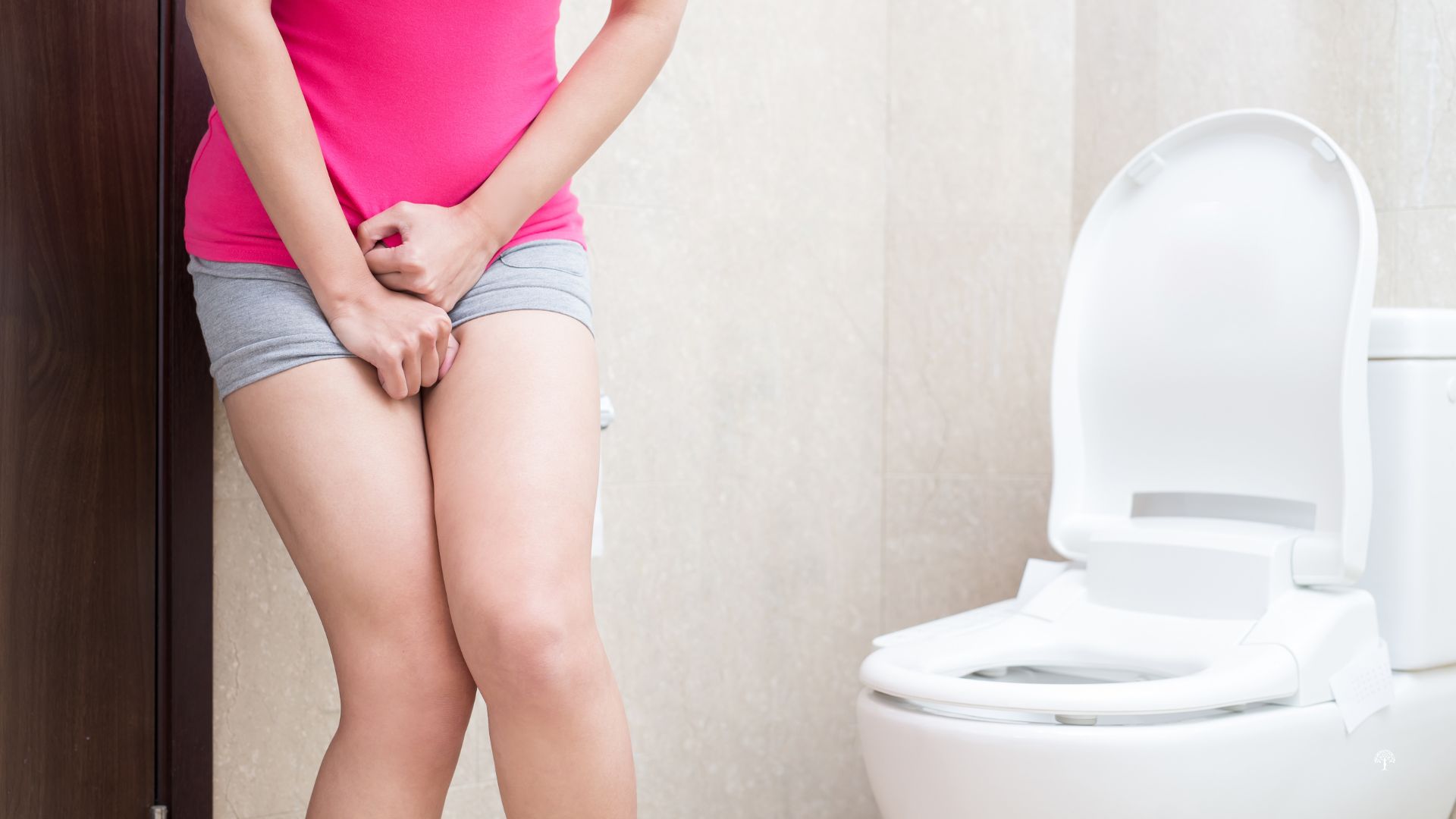
Bladder Health Awareness Month
November is Bladder Health Awareness Month, a perfect time to shine a light on the many bladder conditions women face and how pelvic floor therapy can help restore comfort, confidence, and control.
At Taylor Physical Therapy & Wellness, we see every day how bladder symptoms can quietly affect nearly every part of a woman’s life – from sleep and intimacy to exercise and social activities. The good news? You don’t have to live with leaking, urgency, or pain. Understanding what’s going on is the first step toward healing.
Common Bladder Conditions We Treat
1. Urinary Incontinence
Incontinence—leaking urine when you cough, sneeze, laugh, or exercise—is one of the most common bladder concerns for women. There are several types:
- Stress incontinence: Leakage triggered by pressure on the bladder (from sneezing, jumping, lifting, etc.)
- Urge incontinence: Leakage preceded by a sudden, intense urge to urinate
- Mixed incontinence: A combination of both
Pelvic floor therapy helps by retraining and strengthening the muscles that support your bladder and urethra, improving coordination, and restoring your ability to “hold” confidently again.
2. Urinary Urgency and Frequency
If you find yourself constantly searching for the nearest bathroom, or waking up multiple times at night to urinate, you may be experiencing overactive bladder or urgency/frequency syndrome.
Pelvic floor physical therapists can help identify muscle tension, bladder irritants, and behavioral habits that contribute to the problem—and create a personalized plan to calm the bladder’s overactivity.
3. Interstitial Cystitis (IC) / Bladder Pain Syndrome
IC is a chronic condition that causes pelvic pain, pressure, and an urgent or frequent need to urinate, often without infection.
Many women are surprised to learn that tight, overactive pelvic floor muscles can worsen bladder pain and urgency. Gentle manual therapy, relaxation training, and nervous system regulation can significantly reduce symptoms and help restore quality of life. In fact, pelvic floor therapy is the only Grade A evidence to treat IC.
4. Bladder Prolapse (Cystocele)
When the bladder begins to drop into the vaginal space due to weakened support structures, it’s known as a bladder prolapse.
You might notice a heaviness in the pelvis, difficulty fully emptying your bladder, or the feeling that something is “falling.”
Pelvic floor therapy focuses on re-educating muscles that provide lift and support, teaching strategies to protect the pelvic organs, and guiding women through safe movement and strength training to improve support and reduce symptoms.
5. Genitourinary Syndrome of Menopause (GSM)
As estrogen levels decline during perimenopause and menopause, the tissues of the bladder, urethra, and vaginal walls become thinner and more fragile.
This can lead to dryness, irritation, urgency, and even recurrent urinary tract infections.
A pelvic floor therapist can help by improving circulation, teaching gentle mobility and relaxation exercises, and coordinating care with your medical provider for optimal tissue health.
What You Might Notice: Signs Your Bladder Needs Attention
You don’t have to experience major symptoms to benefit from pelvic floor therapy. Subtle changes can be early warning signs that your pelvic floor needs support:
- Leaking, even a few drops, during activity
- Feeling pressure or heaviness in the pelvis or vaginally
- Pain or burning without infection
- Constant urge to urinate—or going “just in case”
- Difficulty starting or fully emptying your bladder
- Waking up multiple times at night to urinate
If any of these sound familiar, your body may be asking for help.

A Holistic, Gentle Approach to Bladder Health
At Taylor Physical Therapy & Wellness, we believe your bladder health deserves more than a prescription or a quick fix. Our holistic approach combines:
- Pelvic floor muscle retraining and relaxation
- Manual therapy to release tight tissues and improve blood flow
- Bladder retraining and behavioral strategies
- Education on hydration, bladder irritants, and toileting habits
- Support for hormonal and lifestyle factors that influence pelvic health
Our space is calm and private, designed to help you feel comfortable while addressing even the most personal concerns. Every plan of care is individualized—because your symptoms and your goals are unique.
The Bottom Line
Your bladder health is part of your overall well-being. Small changes in pelvic floor strength, muscle tension, or daily habits can make a big difference in how your bladder functions.
If you’ve been told to “just do Kegels,” “drink less water,” or “get used to it,” know that there are better answers and more holistic solutions.
Ready to Feel Like Yourself Again?
We offer
- Free Pelvic Floor Screens
- 1:1 visits with Expert Therapists
- Therapeutic Massage
- Trigger Point Dry Needling